
The American Civil War was not one simple story. Soldiers, families, enslaved people, nurses, farmers, and civilians faced the conflict in different ways. Their fears, hopes, duties, and losses shaped how they saw the war. A Civil War historical fiction series gives writers room to bring these views together through characters and events that unfold across several books.
A strong series does more than describe battles. It shows how war reaches homes, changes families, tests loyalty, and leaves lasting scars.
How Do Different Characters Build a Fuller Picture of the War?
A series gains depth when each character has a clear role and personal reason for facing the conflict. One character might serve as a soldier, while another stays home to manage a farm or care for children.
Writers can use several viewpoints, such as:
- Soldiers: Their chapters can show camp life, combat, fear, duty, and friendship.
- Civilians: Their stories reveal food shortages, family worries, and changes in daily life.
- Women: Their experiences can cover nursing, family care, loss, work, and difficult choices.
- Enslaved people: Their viewpoint highlights freedom, survival, separation, and the search for a new life.
- Former soldiers: Their stories can explore the struggle to rebuild after the fighting ends.
This approach keeps the story human. Instead of seeing the war only through maps and battle dates, readers see how major events affect individual lives.
Why Does a Series Need More Than One Viewpoint?
A single character offers one window into history. A series opens several windows. Each book can add a new layer while still connecting to the larger story.
A civil war historical fiction series can follow characters through different stages of the conflict. One book might focus on a soldier's time at the front. Another could show the same period through a family member waiting at home. A later story might examine life during Reconstruction.
This structure helps readers understand how the same event could create different emotions. A military victory might bring pride to one character and grief to another. A change in government might bring hope to one family while creating fear or uncertainty for another.
Good historical fiction does not need to tell readers what to think. Instead, it presents the setting, characters, choices, and consequences. Readers then have space to form their own view.
How Does Historical Detail Support Different Perspectives?
Research gives a historical fiction series its foundation. Writers need to understand the period before creating believable characters.
Useful details include:
- Military ranks and daily routines
- Clothing and household life
- Food, travel, and communication
- Weapons and medical care
- Political tensions
- Social customs
- Conditions after the war
These details help characters feel part of their time. They should support the story rather than bury it under facts.
For example, a letter from a soldier might reveal family worries in a simple way. A scene in a home could show how shortages changed meals. A journey could reveal the danger and poor travel conditions of the period.
What Makes Different Perspectives Feel Honest?
A balanced historical story does not mean every character must share the same opinion. In fact, disagreement makes the setting feel real.
A civil war historical fiction series works best when characters have distinct beliefs, goals, and fears. Their views should come from their backgrounds and experiences. Readers should understand why a character makes a choice, even when they disagree with it.
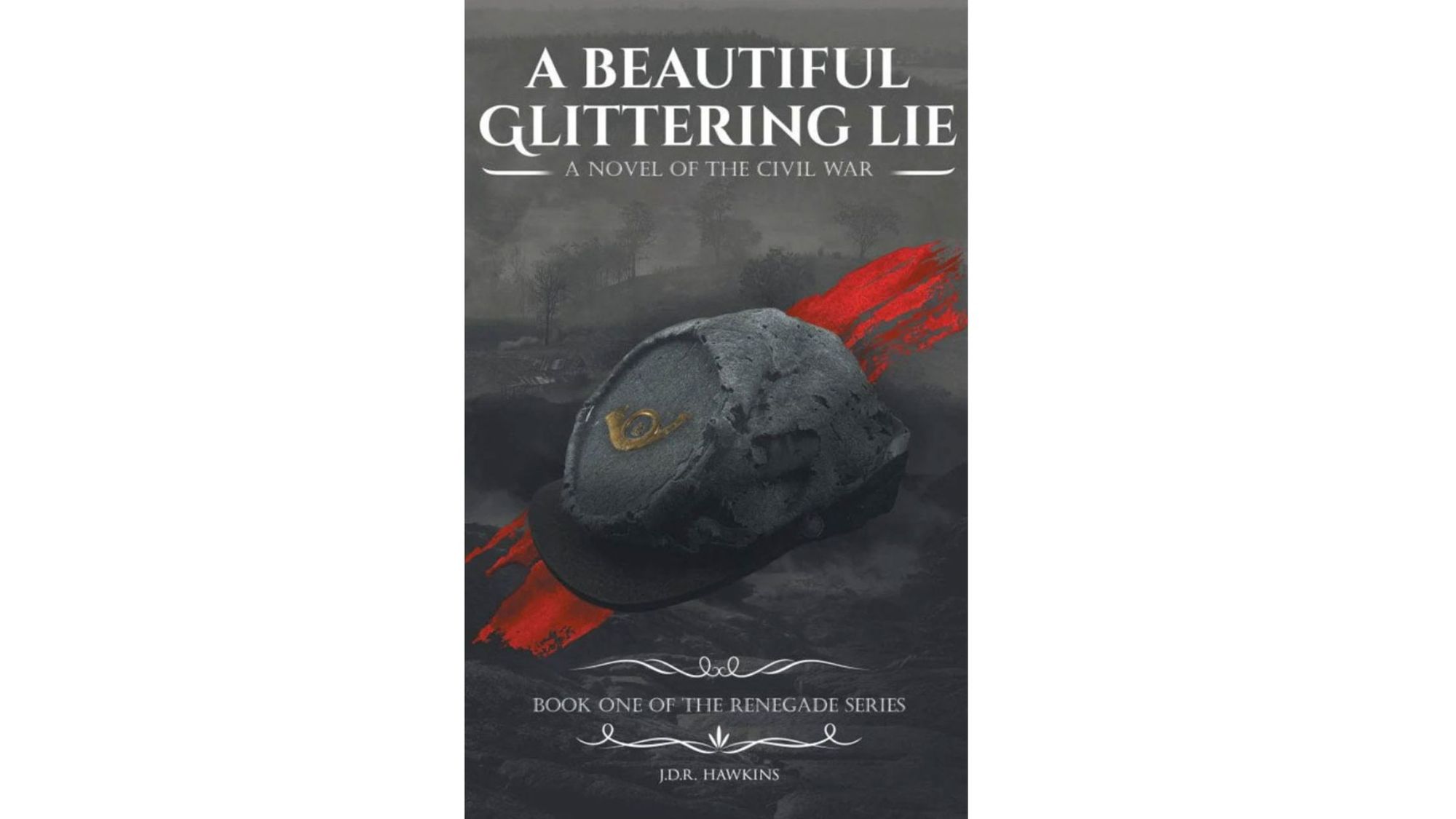
J.D.R. Hawkins presents Civil War fiction through a Confederate perspective, while her listed works include A Beautiful Glittering Lie, A Becharmed Callie Christmas, A Beckoning Hellfire, and A Rebel Among Us.
This kind of focused viewpoint shows why perspective matters in historical fiction. The same war looks different from different sides of the battlefield and from different places in society.
Why Does the Postwar Period Matter Too?
The story should not end when the fighting stops. The years after the Civil War brought major social and political change. Families faced loss, damaged homes, financial problems, and new rules.
A civil war historical fiction series that follows characters into Reconstruction gives readers a wider view of the era. It shows how war changes lives long after the guns fall silent.
Final Thought
The power of Civil War historical fiction comes from its human side. Battles provide the setting, but characters give history its voice. By using soldiers, families, civilians, and other viewpoints, a series creates a richer picture of a divided nation.
A well-researched story does not simply repeat history. It helps readers understand how large events felt to the individuals who lived through them. That approach makes a historical series engaging, thoughtful, and worth remembering.